
Are Veneer and Porcelain Crown the Same Thing?
October 10, 2024
Home Dental Care: Tips and Instructions
October 17, 2024
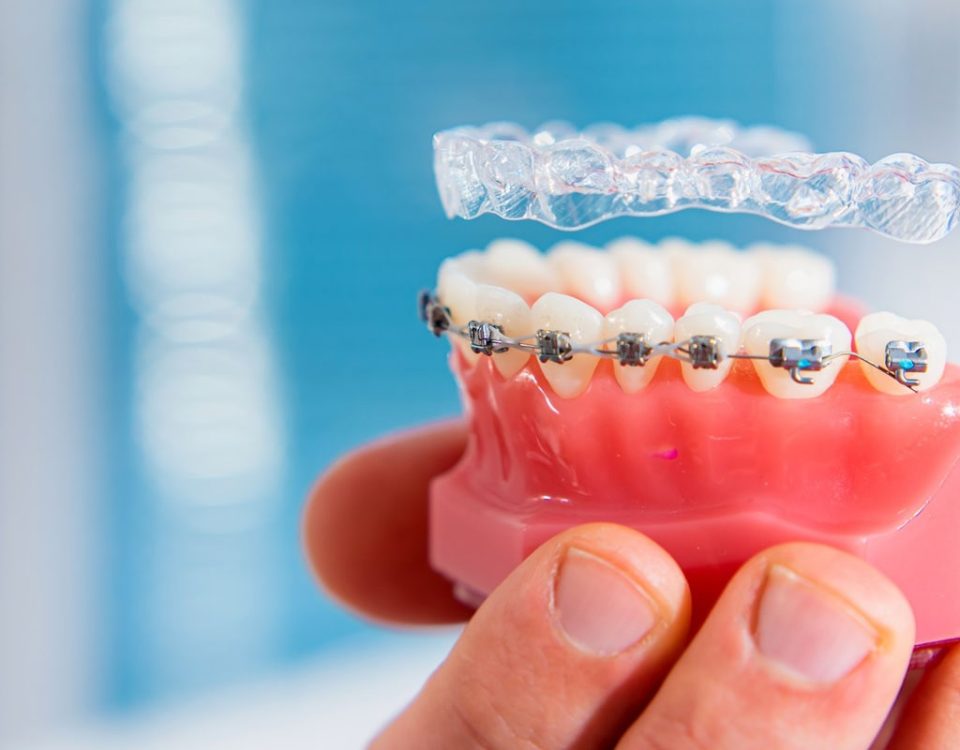
Patients often wonder if Invisalign works with crowns or bridges. The simple answer is yes; getting Invisalign if you have restorations during treatment is possible. However, you should understand how they interact. Let’s see how Invisalign with crowns and bridges works so you feel confident in your decision.
Does Invisalign Work with Crowns and Bridges?
Yes, Invisalign with crowns and bridges in Minnesota works, but certain factors need to be considered. As aligners adjust the teeth beneath the crowns, dentists ensure that everything remains stable throughout the treatment. As for bridges, the attached teeth won’t move, but Invisalign can still align the other teeth around them. With proper planning, Invisalign can successfully work around these restorations.
Can You Get Invisalign with a Crown?
Yes, you can get Invisalign with crowns. However, there are a few important factors to consider when wearing Invisalign with crowns. Here’s a breakdown of how it works:
- Invisalign aligners in Minnesota fit over natural teeth and crowns, shifting the tooth beneath the crown.
- These caps don’t move, but the tooth under them can shift with Invisalign.
- Our dentists monitor these coverings to ensure stability during treatment.
- Aligners may need adjustments to fit properly over the shells, including new ones.
- Front crowns need more care, while the back ones are easier to manage.
- It’s ideal to complete clear aligners before getting a new restoration for smoother movement.
As best Platinum Plus providers, our dentists, Dr. Jalali and Dr. Lee, ensure a seamless fit, adjust your aligners in Minnesota, and keep your crowns stable while shifting your teeth. Visit our website to contact us or call us at (651) 633-1311, Long Lake Family Dentistry.
Can You Get Invisalign with a Bridge?
Yes, wearing Invisalign with a bridge works. The types include a fixed bridge, attached to nearby teeth, which aligners can’t move, and a removable bridge, which can be taken out for more flexible treatment. Here’s what you need to know:
- A bridge connects multiple teeth, so clear aligners can’t move them.
- Aligners work on other teeth, but the bridge remains fixed.
- Your dentist will create a plan to shift surrounding teeth while avoiding the movement of bridge-attached teeth.
- Finish the custom aligner before getting a bridge to allow teeth to move freely.
- Existing bridges may need adjustment after clear braces to fit new alignment.
Invisalign with Crowns: Before and After
Invisalign works with crowns and straightens teeth. However, you should consider some features before and after treatment. Older crowns may need replacement after invisible braces to match your new tooth alignment. Here’s a detailed look:
Before Treatment
- Our dentist will check the caps to ensure they won’t affect your aligners.
- Aligners are custom-made to fit securely around them.
- If you have multiple crowns, your dentist plans to move teeth while keeping them stable.
During Treatment
- Invisalign moves the teeth around your crowns, but they themselves won’t shift.
- Your dentist will regularly check if the crown and surrounding teeth are moving as planned without complications.
After Treatment
- After Invisalign, your teeth should be straight, and your caps should fit well with your new smile.
- In rare cases, a covering may need to be adjusted or replaced to match your new alignment.
- Retainers are important to keep your teeth and crowns in place after treatment.
Invisalign with Bridges: Before or After Bridge?
When combining an aligner with a bridge, timing is important. Here’s what you need to know:
Before
- Complete Invisalign treatment before getting a bridge. This allows your teeth to move freely without restrictions.
- Without a bridge in place, the aligner can shift teeth into their ideal position. Afterward, it will fit perfectly with your newly aligned teeth.
After
- If you already have a bridge, the teeth connected to it won’t move. The aligner can still adjust the other teeth in your mouth.
- Your dentist will create a plan to shift the teeth around the bridge while keeping it stable.
- After clear aligner, you might need a new bridge if the teeth around it have moved. This ensures a better fit with your aligned teeth.
Invisalign with Crowns and Bridges Treatments in Minnesota
If you want to decide whether Invisalign is right for you, even with other restorations, Long Lake Family Dentistry is here to help. Our team of experts can create a customized aligner with crowns and bridges treatment plan to effectively straighten your teeth. Don’t wait, visit us to learn more and schedule your consultation.
Conclusion
Invisalign with crowns and bridges works best, especially when your dentist adjusts the aligners to fit securely over the restorations. Most patients enjoy the benefits of clear aligners without major disruptions to their dental work. Whether you’re considering aligners or already have crowns or bridges, it’s worth exploring how this treatment can work for you.
FAQs
Can I get Invisalign if I need a crown?
Yes, you can. Your dentist will work with you and consider the proper timing for the correct placement.
Should I get a crown or Invisalign first?
It’s best to get a clear aligner first so your teeth can move into the correct position.
Can you move bridges with Invisalign?
No, they don’t move with aligners. However, other teeth not connected to this replacement can be adjusted.
Can you use Invisalign with crowns and veneers?
Yes, you can. The aligners will be customized to fit over these restorations.
Can you get Invisalign with crowns and implants?
Yes, you can. In this case, implants don’t move, but the surrounding teeth can be shifted into place.